
 About Us
 Contact Us
 020 8892 3813



 Free Delivery Over £99*
 1 Hour Delivery Window*
 Earn Loyalty Points
 Red Hot Deals
 Gift Ideas
 Our Reviews
Circular Saw vs Mitre Saw: Which Is Best for Outdoor Projects?
Whether you’re building decking, replacing fencing or upgrading your garden space, choosing the right saw can make outdoor projects quicker, safer and more accurate. Two of the most popular options are the circular saw and the mitre saw, but each tool is designed for different types of cutting tasks.
A circular saw offers portability and versatility, while a mitre saw is built for precision and repeatability. Understanding where each performs best can help you choose the right tool for your project and achieve a cleaner professional finish.
In this guide, we compare circular saw vs mitre saw performance across common outdoor jobs, including decking, fencing, garden structures and refurbishments.
What Is a Circular Saw?
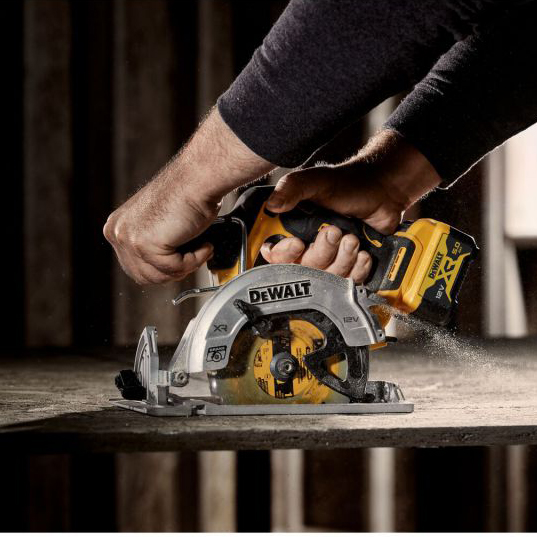
A circular saw is a handheld power tool designed for cutting timber, sheet material and construction boards. Because it’s lightweight and portable, it’s particularly useful for outdoor work where moving around the site is important.
Circular saws are ideal for:
- Cutting decking boards
- Trimming plywood and sheet materials
- Landscaping projects
- Long straight cuts
- General outdoor cutting tasks
One of the biggest advantages of a circular saw is flexibility. You can easily move large garden projects around without a fixed workstation, especially with cordless models.
Circular saws are often the preferred choice for cutting larger boards or making quick on-site cuts. Professional models from DeWalt, Makita and Festool are popular for demanding outdoor projects thanks to their power and durability.
What Is a Mitre Saw?
A mitre saw is a stationary saw designed for precise cross-cuts, mitre cuts and bevel cuts. Unlike a circular saw, the material is brought to the saw, allowing for greater accuracy and cleaner repeat cuts.
Mitre saws are commonly used for:
- Deck framing
- Fence rails and posts
- Pergolas and garden structures
- Timber framing
- Accurate angle cuts
If your project involves repeated cuts or visible timber work where precision matters, a mitre saw is often the better option. Sliding mitre saws are especially useful for cutting wider timber sections and larger boards.
Although less portable than a circular saw, mitre saws deliver excellent consistency and cutting accuracy.
Circular Saw vs Mitre Saw: Key Differences
In simple terms, circular saws are better for flexibility and mobility, while mitre saws are designed for cleaner, more accurate cutting. Both tools have clear advantages depending on the type of outdoor project you are completing. Check out our website to decipher whether there are other tools or products tailored to your project.
Best Saw for Decking Projects
Decking projects often involve a combination of long board cuts and accurate framing cuts, so both saw types can be useful at different stages of the build.
Choose a Circular Saw if:
- You’re cutting long decking boards
- You need portability around the garden
- You’re trimming composite decking
- You’re working with sheet materials
Choose a Mitre Saw if:
- You’re building a decking frame
- You need repeated joist cuts
- You want accurate mitre or bevel cuts
- You’re cutting visible finishing timber
Mitre saws are particularly useful when building structural timber frameworks or cutting multiple pieces to identical lengths.
- If you’re laying decking boards, choose a circular saw
- If you’re building a raised deck frame, choose a mitre saw
- If you’re completing a full decking installation, both tools can complement each other
Best Saw for Fencing and Garden Structures
For fencing, sheds, pergolas and other garden structures, the right saw depends on whether portability or precision is the priority.
A mitre saw is ideal for:
- Accurate fence post cuts
- Repeated rail cuts
- Angled pergola joints
- Cleaner finish work
A circular saw is better for:
- Cutting oversized timber
- Working across larger outdoor areas
- Quick adjustments on-site
- General landscaping work
Many outdoor projects benefit from having both tools available, especially when structural cuts and finishing cuts are both required.
Which Saw Is Better for Outdoor Refurbishments?
Garden offices, timber cladding and outdoor refurbishments often require a mix of versatility and precision.
A circular saw is usually the better choice for:
- General-purpose cutting
- Sheet materials
- Mobile outdoor work
A mitre saw is often better for:
- Timber framing
- Consistent repeated cuts
- Trim and finishing work
Cordless technology has also made outdoor projects more convenient. Battery-powered systems from Dewalt, Makita and Festool allow users to work efficiently without relying on mains power.
Safety Tips for Outdoor Saw Use
Using power tools outdoors introduces additional safety considerations, particularly on uneven surfaces or in changing weather conditions.
To work safely:
- Always secure timber before cutting
- Use a stable work surface
- Wear eye and hearing protection
- Keep blades sharp and properly fitted
- Avoid using saws in wet conditions
- Keep cables and batteries protected from damage
Using the correct blade for the material being cut will also improve both safety and cutting performance.
Final Verdict: Which Saw Should You Choose?
When comparing a circular saw vs mitre saw for outdoor projects, the right choice depends on the type of work you’re doing.
Choose a circular saw if you need:
- Portability
- Long straight cuts
- Flexible outdoor cutting
- Sheet material cutting
Choose a mitre saw if you need:
- Precision
- Repeat cuts
- Accurate framing
- Mitre and bevel cuts
For larger projects such as decking, fencing or full garden refurbishments, many professionals use both tools together to combine versatility with precision.
Whether you’re a trade professional or DIY enthusiast, D&M Tools stocks professional-grade circular saws, mitre saws and accessories from trusted brands including DeWalt, Makita and Festool to help you complete your next outdoor project with confidence.
 My Account
 About Us
 Find Us
 MON - SAT 08:30 - 17:30
 020 8892 3813